All Activity
- Past hour
-
By Al “Doc” Mehl All things considered, when it comes to casting a fly, my school chum Chuck Monninger was the best I’ve ever known. Even though it’s been 50 years, I still remember one Chuck Monninger cast like it was yesterday. On East Elk Creek in western Colorado, Chuck was demonstrating fly casting to our mutual friend (and then-novice fly angler) Bear Miller. “Just below the jagged yellow rock, tucked in behind the driftwood snag, with that sweet twisting current on the left and calm water in the crease, that seems a likely hold for Mr. Trout,” Chuck chuckled softly to Bear. Then, from 60 feet away, he deftly delivered a No. 16 Adams inside the 12-inch target zone, a cast instantly rewarded by the convincing strike of a 10-inch cutthroat. Bear shook his head in disbelief, then started his own tiresome day of clumsy greenhorn fly casting. Yes, Chuck was as good as they get. Even so, I’d have to think that Chuck would be shaking his own head in amazement if he’d been in Montana to witness, a half-century later, the best cast of my fly-fishing life. And, in an unplanned homage to Chuck, I was fishing a No. 16 Adams. I’d spent the month of July doing some weekday temp work in Helena, and that left the weekends open for exploring the local fisheries. On a blue-sky Saturday, I was fishing the North Fork of the Blackfoot River. By midafternoon, I had landed four rambunctious rainbows, all of them from the long, deep hole a few hundred yards above the canyon bridge, a pool that I’d discovered during the previous month’s explorations. I might have kept fishing well into the evening if I hadn’t found myself fighting a chilly, freshening wind from the north. Maybe, I thought to myself, it’s time to call it a day, scramble up the scree embankment to the still-warm car sitting in the high summer sun, and find my way to a local watering hole to toast my successful outing with a beer. I reeled in. With only a few feet of fly line and 7 feet of leader remaining on the water, a sudden gust of that north wind swung around behind me and lifted my trusty Tilley hat from my head. Just out of reach, the hat hovered at eye level for a split second and then jumped onto the wings of that wind gust, landing upside down 25 feet away in the middle of the riffles that coursed along the left side of that honey hole. The current arced away from me. Soon, my hat was 40 feet away and turning to the right. In mere seconds the current would pick up speed at the tail end of the pool, and my hat would tip over the splashing falls and drown, forever lost. My hat size, you might now ask? 7 3/8. The oval outline of that Tilley hat in the water took on the look of a skewed archery target, the khaki-colored outer ring enclosing the 7 3/8-inch mountain-snowmelt-blue bull’s-eye, a target that was creeping ever farther away. My hat was a goner. Damn. Unless … Lifting my fly rod instinctively, I snapped the fly line toward me into an abbreviated backcast. As the line hovered behind me, I stripped a great armful of line from the reel and loaded it forward in a false cast. The hat was almost 50 feet away now and swinging left to right. I made another backcast, reloading another stripping armful of fly line onto the second false cast. Watching that serenely drifting archery target was tantalizing. I have never tried archery. I’m told it’s all about breathing, about focus, about the Zen of mind-body calmness. Stripping line wildly from the reel, precariously flailing my graphite fly rod to and fro, cursing out loud about the favorite fishing hat I was about to lose forever, I was anything but Zen calm. I loaded another strip of line into the backcast as the fly reel sang out its siren song in a higher key than ever before. Momentarily I wondered if my backcast would now be traipsing through the riverside willows, a No. 16 Adams soon to be snapped off by an innocent-enough twig. But this was not the time to worry about a $1.59 dry fly when an $89 hat was about to disappear. On the third forceful false cast, my fly line was now extended and hovering 50 feet in front of me. And the hat? It now drifted 60 feet in front of me, picking up speed in its left-to-right journey out of my life. If I had been standing on the opposite bank, I might have been close enough to lean in and grab the sucker, but alas, I was not on the opposite bank. I stripped line from the reel again, dug my shoulder and upper arm deeply into one more great backcast, and took aim. But where to aim? My hat was now a pheasant on the wing, and the savvy hunter knows to swing the gunsight past the flying bird and place the buckshot into the bird’s flight path. I started my forward cast knowing this was my chance, in fact, my only chance. I have never entered a fishing tournament. Fishing tournaments are meant for talented and serious fishermen like Chuck, and not for recreational fishermen like me. Still, if I were to enter a fishing tournament someday, I have always been intrigued by the idea of a one-fly fishing tournament. How terribly cautious must one be with the backcast? How close to the snag must one dare drift to catch fish without losing the critical fly? What fly to pick if you can only pick one? For me, perhaps a No. 16 Adams. But even more challenging than a one-fly contest, I had now been unwittingly entered in a one-cast contest. The end was at hand. There would be time enough only for a single cast to hit the drifting target. Win or lose, this contest would be one and done. I let the last handful of stripped line sing through the guides as the double-tapered fly line carried the newest of its now 60-foot length away from me. Then, with the confidence borne of a lifetime of fishing, I paused my breathing in Zen-like anticipation of the final artistic brushstroke. I calmly swept the rod tip gently to the right of the target. The extended fly line and attached leader responded like the lead pair of an eight-horse team, veering ever so slightly in the direction that the driver’s reins had requested. The fly rolled over the final feet of that long cast as I leaned as far forward as I dared. I extended my casting arm fully, added a few extra inches to the cast by swinging my opposite leg backward and flexing at the waist in a balanced, ballet-like maneuver, then willed the No. 16 Adams to land gently on the water. That battered dry fly settled proudly on the calm water inside the bull’s-eye. I marveled at the once-in-a-lifetime cast. Oh, if only Chuck Monninger could see me now. And then, before even one more heartbeat, the spell was broken by the realization that a No. 16 hook has a bend that measures less than 1/8 inch. Even perfectly placed inside the crown of the floating hat, what might be the odds of that hook finding purchase in the fabric of the hat, relinking me with my lost lid? But purchase it did find. Unbelievably, the hook embedded itself into the swirling neck strap that had been floating serpentlike within the bull’s-eye of the crown — the neck strap that is designed to keep the hat from blowing off in the wind, if only the fisherman remembers to wear the strap properly when the wind picks up. Having nearly claimed the gold medal in this day’s one-cast fishing tournament, I now found myself enrolled in the subsequent one-fly tournament extension. I had hooked a lunker, and it pulled hard in the current, hoping to make its escape by exiting the pool, entering the falls, and stealing the fly from the leader. Steadily, I pulled with an even flex in my rod, now trying to remember which tippet I had tied on hours before. Had it been 5X? Was it even finer, maybe 6X? Too much tension, and I would be snapping my only-hope fly from the line. Too little pull, and the hat would pass through the falls, breaking me off regardless. Steady, slow and steady. Redirect. Turn the head of the beast. Slip the quarry from the strong current and coax him gently back into the pool. Ever so slowly, the battle was won. The hat put up a mighty battle, but by now had lost all fight. The long line was gradually retrieved, and I landed the monster without a net. Better than a streamside photo of a long-played lunker now in hand, better than even a trophy mounted on the wall, that Tilley hat remains head-mounted to this day, still in service. It’s a living reminder of one more good day on the water. And it’s a beat-up, poignant keepsake of the very best cast of a lifetime. The post The Best Cast of My Fly-Fishing Life appeared first on Fly Fusion. View the full article
- Today
-
By Kirk Deeter Excerpt from the winter issue: “Presentation. Well, that’s simple. Trout like to eat insects that are hapless and drifting at the whim of the river current. The dun dry fly has just shed its shuck and is most vulnerable as it dries its wings before taking off. You must spoon-feed those duns to trout, and even a bit of subtle micro-drag can kill your chances. Likewise, spinners have mated, fallen and are essentially dead when they hit the water. Trout know this. Spinners should drift at the whims of the currents. On the other hand, fish that chase food (sometimes trout, but also northern pike, bonefish, redfish, tarpon and many other species) aren’t used to their live food attacking them. No reasonably smart trout is going to eat a dry fly dragged in front of its face (except maybe a skittering caddis). By the same token, fluttering a crab fly, for example, toward a feeding permit is the kiss of death. When you’re fishing in the salt, or even fishing streamers for trout, you want to show your target the morsel and then make it escape. So… spoon-feed rising trout with as little drag as possible. For most everything else (including salmon and steelhead), you want to bother them, make them agitated, make ‘em grabby, and see what happens next.” Subscribe or pick up the back issue for the full article. Photo: Faceless Fly Fishing The post Kirk Deeter’s Lesson on Presentation appeared first on Fly Fusion. View the full article
-
The Ratio Reel is built for moments when big fish enter the ring and the outcome matters. The carbon-stainless drag system has precision-engineered surfaces that deliver smooth, consistent pressure with zero startup inertia. In demanding conditions, the oversized indexed drag knob allows for micro-adjustments without fumbling. Built to withstand saltwater abuse, the Ratio’s drag system is fully sealed to keep out salt and sand. The Ratio is built for anglers who target powerful fish in demanding conditions. The reel has the strength and durability for tarpon, big roosterfish and permit, as well as bluewater battles with tuna and billfish. They are equally adept at moving big trout in heavy water, steelhead in fast flows, or carp hell-bent on leaving town. Key features: Orvis’ highest-performing saltwater reel, with best-in-class drag profile and industry-leading stopping power. Fully sealed drag with multifaceted O-ring protection keeps water and debris out. Instant-engage drag with oversized knob for more control (12 – 20 lbs, depending on reel size). Oversized shaft (5/16”) and line guard for strength and reliability. Available in three colors: Blackout, Gold, and Silver/Deep Sea Available in five sizes: III, IV, V, VI Shallow, VI Deep (see full specs in imagery folder) Size VI includes deep and shallow spools. The deep spool holds a 14-weight line with 600 yards of backing to take on any big-game species. For full details, visit Orvis. The post Orvis Introduces the Ratio Reel appeared first on Fly Fusion. View the full article
-
By Derek Bird I’m always a little stressed when I pull up to the boat ramp with my dad. I’m eager to get my gear set up, and in doing so, I’m trying to avoid as many people as possible. My dad, however, appears to be there to connect with as many people as possible. To be sure, he loves fly fishing, but he might love talking about it with random strangers even more. When we arrive at a boat ramp, Dad’s never in any rush to set up his gear or take it down. I’ll inevitably look up from tying on a fly or getting the boat ready, and Dad is nowhere to be found. Then 10 minutes or so later he’ll walk up to me with a new friend and say something like, “This fellow wants to meet you. He reads your articles in the magazine.” Though I broadcast my thoughts, I often do what I can to avoid the spotlight. I make small talk with the stranger, all the while fighting through what I feel is an awkward moment… For my dad’s 80th birthday, I wanted to take him fly fishing. More than that, I wanted to keep him away from busy boat ramps, so we headed out into the middle of nowhere for a walk-and-wade. Not that I didn’t want him to do his favorite activity on his birthday, but the window where the trout are active and taking flies in autumn can be quite short, so there’s not a lot of excess time to chat. Away from civilization and boat ramps on his birthday, Dad grabs his rod from the truck. I offer to help him tie on some new tippet and ask him what fly he wants to start with. He holds open his fly box and invites me to have a look. “What do you think?” he asks. “I plan to start with a nymph. Do you want me to set up a nymph rig for you?” I say, quickly getting a few jeers from my brother and nephew at the mention of a nymph. “Dry,” he says. “OK,” I say. “I’ve got an October Caddis I’m going to tie on for you.” After I finish the blood knot attaching 5x tippet to his leader, I tie on the mangy orange caddis pattern. “They might not take it right away, Dad. The sun will likely need to be up for another hour or two before they start rising to your fly.” Dad’s still fishing with his kids and grandkids. I want to be like that when I’m his age. Time has a way of slowing us all down, but I’m sure my dad is going to live until he’s 120. He’s not allowed to leave us any sooner than that. Besides, he’s a young 80. He still works out in the gym a few times a week, and he’s out here in the middle of nowhere hiking along stream banks with his boys. I’m not sure I’ve come to terms with the role reversal time has forced upon us. Though it’s more and more difficult, I still recognize the boy I was in the early 1980s when Dad would take his boys out on the backroads in search of lakes and rivers. As a kid, he showed me what flies to tie on and the knots to use. He taught me how to cast, and he dealt with the bird nests in the reels. He took that on. He tells a story from when I was very young, when he took me to a spot on a river just one valley over from where we are now, where he met up with some friends. His kidless buddies ran down to his favorite run as he set up his kid’s gear. I’m not sure I ever thanked you for that, Dad. I don’t remember it, probably because it was a good moment for me. You made it a good moment. I guess you’ve more than earned the right to embarrass me at boat ramps. We arrive at the stream, and I land four good-sized trout on nymphs before the dry-fly purists decide that they’re maybe not as pure as they were when they left the vehicle. I call to Dad to join me on the other side of the stream. Though he’s 80 today, he’s sturdy and has little trouble negotiating the stream crossing. I’m only moderately worried about him. He arrives, and I tell him I’d like to change his setup, so he hands me his rod. I tie on the “secret” nymph I started the day with. Because of the odd flow and the depth of the run, I don’t give him an indicator. I let him know he’s going to have to pay attention to the tip of his floating line. “If it dives or pauses, set the hook,” I instruct him. On the first cast, the line pauses, and he doesn’t pull up. “Dad, you’ve got to pull up when the line pauses,” I remind him. “Here, let me show you.” He hands me his rod, and I send the fly into a seam where I know there’s a trout, and after three or four seconds, the line pauses. I pull up, and there’s a nice-sized trout on the other end. “You make that look easy,” he says. I release the trout and hand the rod back to him. It happens again. The line pauses, and he doesn’t see it. “Set the hook,” I say. He pulls up, and nothing’s on. He swears in frustration. He’s still got fire in him. In his prime, my dad was a highly competitive fastpitch player. He pitched against some of the best both provincially and nationally. As a kid, I lived at the ballpark on the weekends watching Dad pitch no-hitters and one-run games. In his youth, my dad had a lot of what people used to call “piss and vinegar.” Though certain senses may not be as sharp as they used to be, there’s still some vinegar left. I admire that. He heads back across the stream so he can nymph from the high bank on the other side. From that vantage point, he can see the trout in the clear water. “When you see a fish move and open his mouth, set the hook,” I call out. “He’s likely moving for your nymph.” A few minutes later, Dad’s into a fish. He takes out his net and lands the biggest trout of the day — one that’s fitting for his 80th birthday. The next day on my flight home, I sit beside a stranger on the plane. She turns to me and asks, “Are you from the Kootenays?” “I am,” I reply, “but I don’t live there anymore. I was just in town visiting family.” Before long the conversation turns to my children. I’m well into the conversation before I catch myself. I’ve been talking about my adult kids and their accomplishments for the last 10 minutes. The plane isn’t a boat ramp, but it might as well be. Looks like I owe my dad a birthday fishing trip next year on a river with a boat ramp. Photo: Arian Stevens The post Birthdays and Boat Ramps appeared first on Fly Fusion. View the full article
- Last week
-
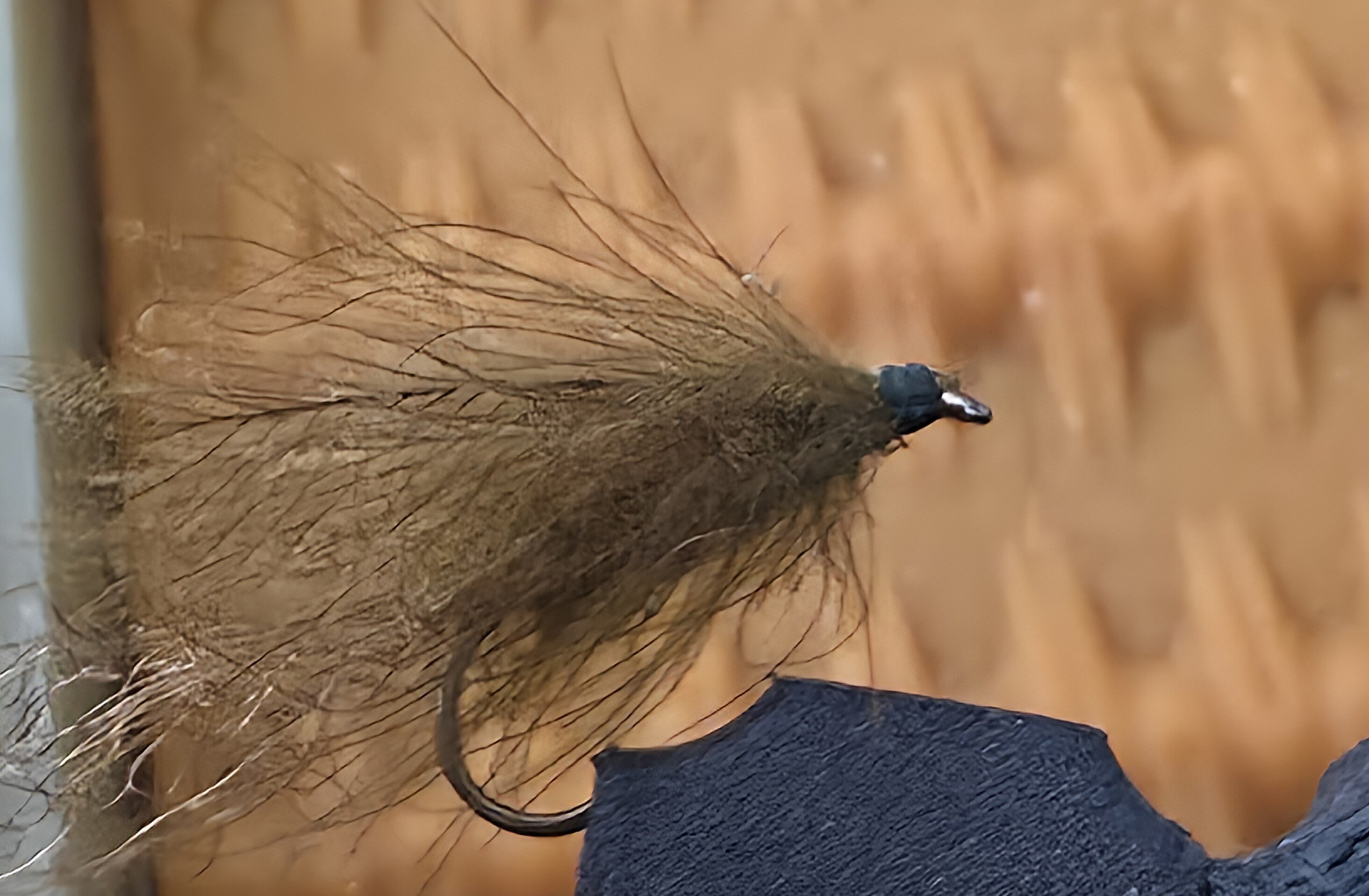
Cdc pattern
-
 Permit on a floating fly? Don't you need to fish heavy flies that get right to the bottom, where permit feed? Sometimes, but over the past decade permit anglers have discovered that permit eat crabs on the surface, and if you've spent enough time on salt water you will see crabs swimming along the surface. Fishing floating crabs make a lot of sense as you'll learn when you listen to this podcast with film maker and permit angler RA Beattie [27:05]. In the Fly Box this week, we have some questions that might solve problems you have had, including: I have trouble with my fly wallet, either losing flies or tearing out the fleece. Is this a matter of user error? Should I apply flotant to foam flies and flies with deer and elk hair, or will they float by themselves? Do jig nymphs harm smaller trout? If I use large beads on my nymphs, will they inhibit hooking qualities? I have trouble with my line tangling when striper fishing. Do you have any tips? Do featherwing streamers offer any advantages? Why do people fish streamers smaller that a size 10 and when is it best to use them? The hooks on my bonefish flies keep breaking . Why is this happening? View the full article
 -
 DJack joined the community
 - Earlier
-
The Spring issue of Fly Fusion is now available on newsstands, and it arrives with a clear purpose: Season Opener: Solving Spring’s Toughest Trout. This issue leans into the nuance of early-season fishing, where success is rarely accidental and often earned through attention to detail, timing, and restraint. From Gary Borger’s reflective journey in First Season, which traces how early encounters shape an angler for life, to Jim McLennan’s Please, Sweat the Small Stuff, readers are reminded that spring rewards precision over force. April Vokey highlights the overlooked window of opportunity in The Quiet Advantage of Spring, while Frank Brassard challenges convention in When a Fly Learns to Breathe, exploring how movement and imperfection can outfish technical perfection. Beyond the core features, the issue is layered with insight across every corner of the sport, from stillwater strategies to fly tying, culture, and conservation. It is a season defined by transition, where trout behavior, water conditions, and angler mindset all shift at once. This issue is built to meet that moment, offering not just tactics, but perspective. Pick up your copy on newsstands now and step into the season with a sharper eye and a more thoughtful approach. The post Spring Issue on Stands Now! appeared first on Fly Fusion. View the full article
-
 ytfish joined the community
 -
Advanced Taxidermy - Good Experience or Bad?
ytfish replied to MMAX's topic in Off The Water - Not Fishing Related
It took them eight months and cost $2600 to import, clean, and ship two trophies to me. Not particularly friendly service either. I'd go elsewhere next time. -
Urban fly fishing is fun and presents some challenges—like bystanders getting in the way of back casts and sometimes fishing from a location high above the water. And it's essential to know how to fish around bridges as these are sometimes the best habitat for urban fish. Mark Fryt [38:33], whose new book The Guide to Urban Fly Fishing is a treasure trove of tips for exploring this exciting world. In the Fly Box this week we have some interesting questions and tips, including: Is there a place I can explore saltwater fly fishing on foot without a guide? I can't afford one right now. When storing fly tying materials, what should I do to prevent damage? Will excessive heat or cold in a garage or attic affect them? Do you have any tips for catching my first grayling in a lake? How should I set the drag on my reel? Are Orvis' mid-priced rods like the new Recons just blanks from older versions of premium rods or are they completely new designs? A listener reports that he uses a light for trout fishing at night and it does not spook the fish. Why do my loop knots keep breaking when streamer fishing? Why do you cast with your right hand and then reel with the same hand? What do you think of competition jig hooks that ride upside-down? I have a Clearwater 10-foot 4-weight that I use for dry-fly fishing and want to try Euro nymphing with it. Should I get a new reel or spool with a separate line or just switch my leader? View the full article
-
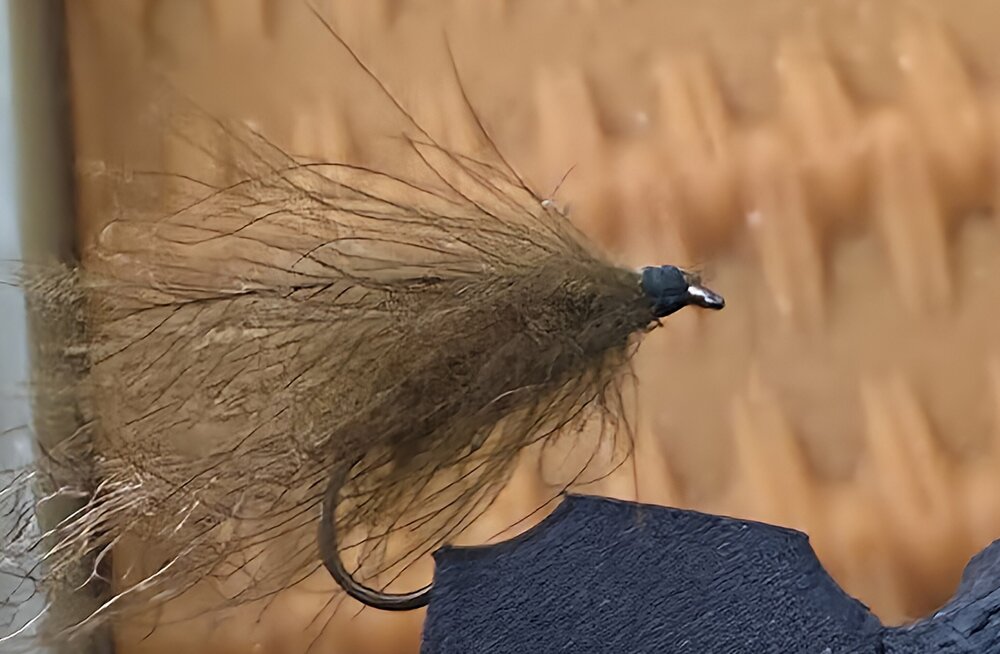
Hey Doc, you got any Sedge pupa to share? Your Dragons look tasty
-
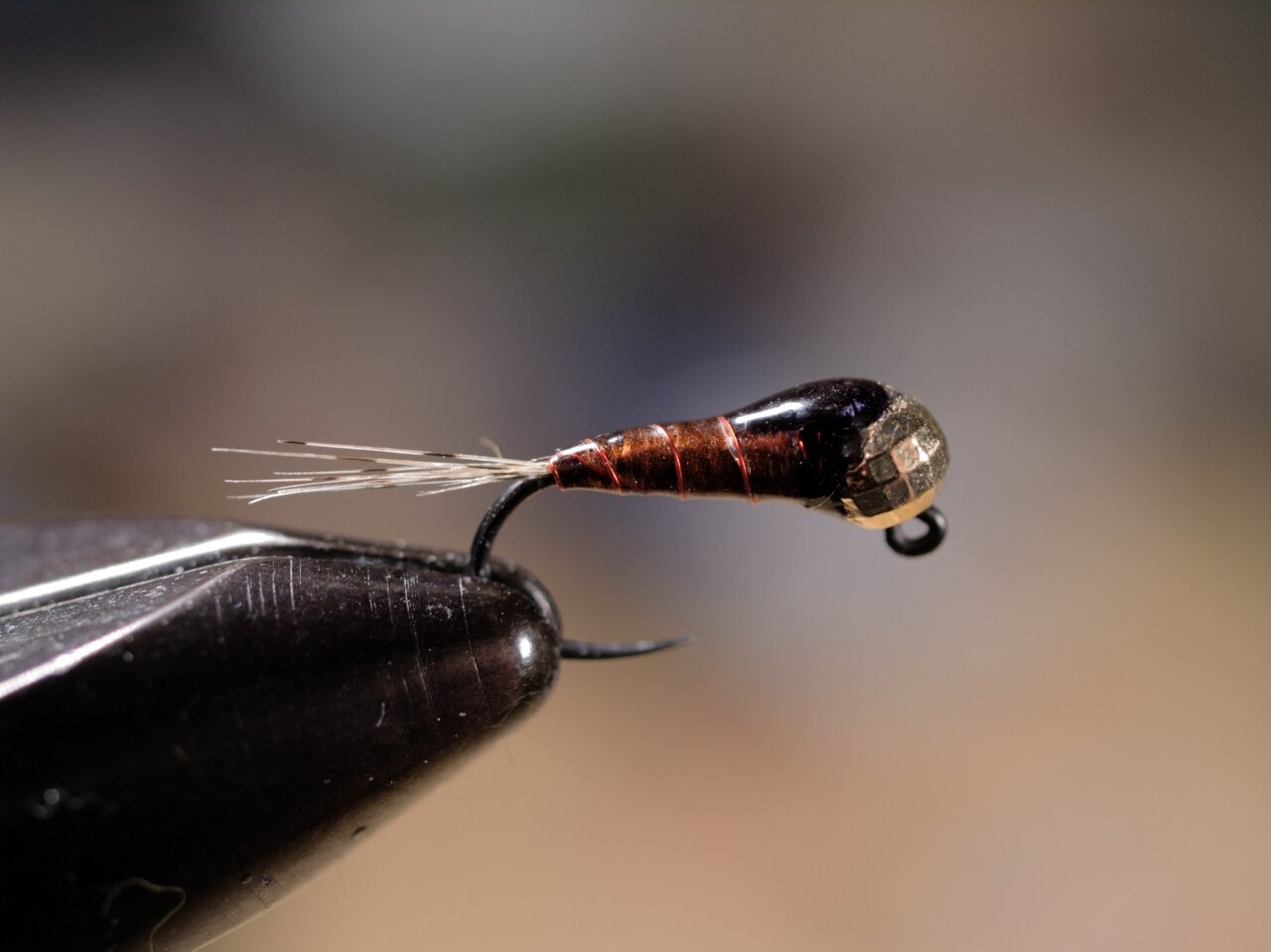
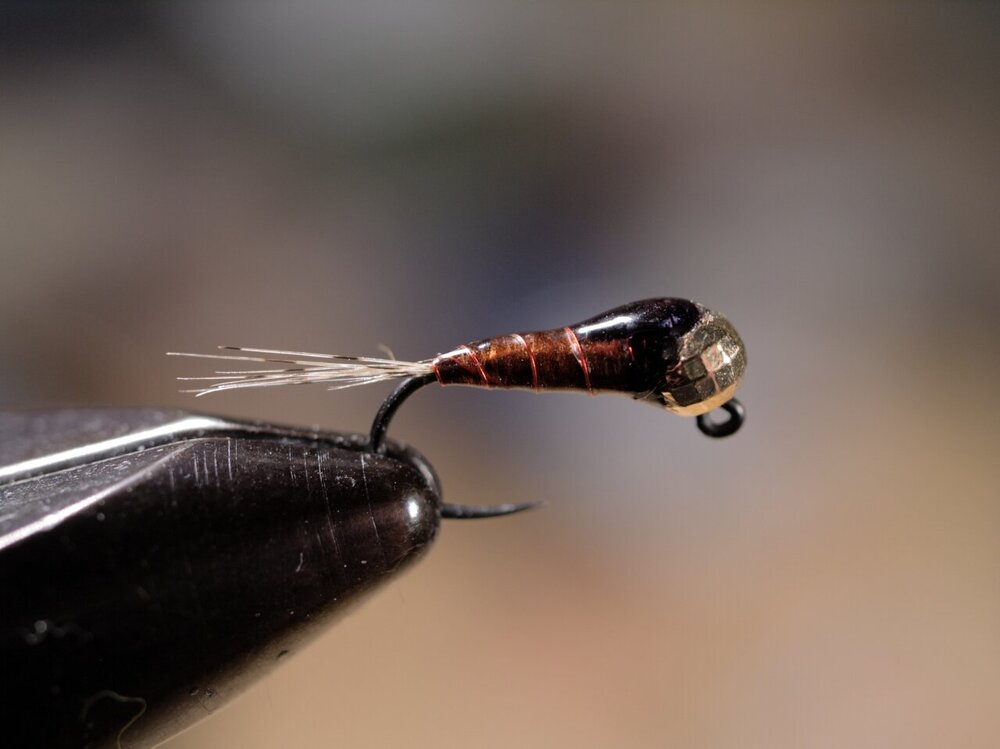
Here's a nymph pattern I tried in January '26, great weather on the Bow back then@! This is a local pattern from the Kootenai River in Washington, just south of Trail, BC called the 'Daily Nymph' because it works every day. Jig-style hook, big gold tungsten faceted bead, extra wire weight and rust coloured thread with red wire rib before the resin. Anything from a Sz10 and down will get 'em even in tandem with two different sizes.
-
Glad to hear from you, SilverDoctor I too join in with the medical issues, but on the mend. Great - looking dragons, I'm sure you'll get some hookups. -M.
-
That kind of playful thread is exactly why community gaming spaces can be fun — people jump in with all kinds of twists, jokes, and unexpected rule changes that keep the back‑and‑forth alive. What really makes it enjoyable is when everyone feels the experience is fair and easy to follow, not bogged down by confusing mechanics. Good design matters in these moments, especially on mobile. That’s why platforms with smooth, intuitive interfaces stand out — even something like https://casinooshi.com/login/ makes it easy to jump in and stay focused on the fun instead of wrestling with navigation quirks.
-
 Gremcat joined the community
 -
I have been meaning to get Charlie Craven [37:41] of Charlie's Fly Box in Denver on the podcast for quite some time and we finally connected. Charlie talks about what new materials and tools excite him and also how to approach the topic of assembling essential materials for the beginning fly tier. We also explore some other topics as only a couple of geeky fly tiers can when given the chance. In the Fly Box this week, we have some great questions and tips from listeners, including: I have been using a clear floating line for sight fishing for striped bass but noticed the fish sometimes shy away from the fly. Do you think this is because the clear line reflects too much sunlight? A tip from a listener on another way of taking fishing photos without risking losing your valuable smartphone in the water. My leader lands in a pile when I am casting. But you say that sometimes you want your leader to land in loose coils. Is it too much to expect my leader to fully straighten? Advice from bamboo rod guru Shawn Brillon on cleaning cork grips. I was using mouse flies at night and got strikes but could not connect. What did I do wrong? Is it true that you can shine a red flashlight at night to see your fly because the fish won't notice it? Is it worth it to go from a mid-priced fly-tying vise to a really expensive one? What do you get in a $500 vise? What is your take on using non-standard, "buggy" variations on standard fly proportions? Is the Double Davy Knot stronger than an Improved Clinch Knot? View the full article
-
Join me as we explore the fascinating world of early season olive hatches with expert fly fisherman Blake Katchur [35:42] of Front Range Anglers in Denver. No matter where you fish, you'll find this hatch any time from early March to early June. Discover effective tactics, fly patterns, and timing tips to enhance your fishing success during this prolific hatch. In the Fly Box this week, we have these questions and more: Can I use my 7-weight fiberglass rod for bonefish in Belize? Why can I catch brook trout in smaller streams during the winter but not in a bigger river? If I leave off the trailing hook in articulated flies, how do I compensate for the lack of weight? Will it affect the swimming action of my flies? For Alaska silver salmon and big rainbows, should I get a 9-foot or 10-foot 8-weight Helios rod? And should I pick Helios D or F? Do the scents from resins and glues put off the fish? Is there anything that can cover up these scents? Are wings on dry flies absolutely necessary? Where did we get the "X" system we use for leader and tippet diameters? What do you have on your fly-tying bench that you can't do without? View the full article
-

Do I Need a Fishing License for Local Waters?
monger replied to wokim's topic in On The Water - Fishing Related
AB licence Apr1 - Mar 31 for freshwater (covers all lake and streams). There is a regulation book which discuss catch limits, times you can fish, methods of fishing and where you can not fish. You will need a separate Federal licence to fish saltwater. Licence required from Age 16-65 I believe. You will be fined for fishing with no licence or breaking the rules discussed in the Alberta Fishing Regulations. Go to the Alberta RELM website to learn about getting a Wildlife Identification Number (WIN) and for purchasing a fishing licence https://albertaregulations.ca/fishingregs/ https://www.albertarelm.com/licensing.page https://mywildalberta.ca/ -
Recently, Tom took time to chat with Reid on the Orvis Hunting and Shooting Podcast about his 50 years at Orvis. If you're interested in hunting, shooting, or the great outdoors in general, consider subscribing to Reid's show, too! (Crosspost from the Orvis Hunting and Shooting Podcast) "Tom Rosenbauer, longtime Orvis employee, writer, and host of the Orvis Fly Fishing Podcast, joins Reid for a wide-ranging conversation about his nearly 50 years with the company. They talk about the early days at Orvis, the great outdoor writers who shaped the culture around Manchester, Vermont, and how a lifelong fly fisherman found his way, occasionally, behind a shotgun. Along the way Tom shares stories, history, and a perspective on the outdoors that few people still carry." View the full article
-
The fly-fishing world is filled with incredible people who believe in the sport and what it does for the soul. Some are well known. Others work diligently behind the scenes. They are the people running CNC machines late at night, the engineers designing and building the gear, the marketing geniuses who create the memorable ads, videos and stories that bring it all to life. Ours is an industry teeming with talented people who believe as much in the spirit of fly fishing as the gear they create. Over the past few years, we’ve lost too many of them. We celebrated icons like Lefty Kreh, Flip Pallot and others, people who moved our sport forward and left a mark. We don’t often touch on the lives of those who played a significant role behind the scenes. People who may not have known that their work shaped fly-fishing culture. People like Joe Wolthuis. Joe was a beacon of compassion and kindness to many. He touched countless people through his creative genius, providing the inspiration to trade the magnetic noise of life for the silent solace of the water. He did this in his life and through the tools available to him in his role as the Marketing Manager of Scientific Anglers. If you’ve been on the water over the last decade, read a fly-fishing magazine, listened to a podcast, attended a film event, been to a show, or walked through the doors of your local fly shop, you’ve experienced his support and work. I’ve always been drawn to the people in the fly-fishing world. They are a salt-of-the-earth community with a shared passion for the pursuit of freedom that adventure provides, the beautiful places where fish live, and the need to conserve them. Joe embodied the spirit of the very best people in our community. Without question, the single most treasured gift the Bird family has been blessed with over these last twenty years are the friendships. This community is an industry, but it is best defined as a family where friendships run deep. I recall a dinner where we were introduced to Joe. The conversation was an instant connection over bed bugs, nerdy marketing data, metrics and demographics. And there was always laughter. That first dinner turned into countless dinners, lunches, phone calls, zooms and text messages. Sometimes work-related, most times not. One of my favorites was a dinner where Joe told us about an out-of-this-world “candy bar” he encountered on a trip to Canada. There was a joyous hope in the way he described this chocolate nectar he had discovered. He went on to explain that this particular candy bar was not available in Michigan. A few months later, as any friend would, I arrived for a lunch with Joe with a dozen Mr. Big bars. This would be the start of a long tradition. Joy can be found in the little things. When word of Joe’s arrival as Marketing Manager was announced, I called a mutual friend who knew him well. Of Joe, he said, “You are going to really like him.” Indeed, we did. The fly-fishing family is deeply saddened by the loss of our cherished brother. There is a place where rivers flow freely, where they run gin clear, where the fish are always eager, where peace is ever present, and where there is no last cast. Joe is there now. “Under the rocks are the words, and some of the words are theirs.” ~ Norman Maclean Joe’s voice will continue to move quietly through the fly-fishing community he cared so deeply about. We will miss him immensely. Photo: Allen Crater The post On Candy Bars, Fly Fishing, and the People Who Shape Our Sport appeared first on Fly Fusion. View the full article
-
This episode was originally published on August 19th, 2021. This week's podcast guest is especially exciting to me as he is one of my literary heroes. John McPhee [24:10] is a Pulitzer Prize-winning author (Annals of the Former World), and in his numerous other books he has written about such diverse topics as nuclear energy, the merchant marine, basketball, Alaska, bark canoes, oranges, continental drift, flood control, tennis, farmer's markets, and many other eclectic topics. Whether or not you are interested in a subject, you can be sure you will be when you finish reading one of his books you will be fascinated. John has also been a staff writer for The New Yorker since the 1960s. In our interview, he talks about his two favorite fish to catch on the fly rod--the American shad (which he wrote an entire book about, The Founding Fish), and the chain pickerel, which he did not write a book about but did pen a short essay on in his collection of stories The Patch. (I doubt is anyone in the world who would count those two fish in combination as their favorites--but he is never conventional.) I hope you enjoy the interview as much as I enjoyed talking to him. In the Fly Box this week, we have some great questions and tips: A reminder from a listener that I wrote an encyclopedia of fly fishing. Some great tips from a listener on using tippet rings. A question about what constitutes a watershed when concerned about transporting aquatic invasives. A suggestion from a listener on ways to offset your carbon footprint when taking fishing trips. Which is a better rod for fishing the surf and jetties--a traditional 9-foot 9-weight rod or a two-handed rod? Do you always recommend using a net? A listener calls me on the carpet for my flippant remark about manhandling carp. A great thought from a listener that sometimes taking photos of fish hinders the moment. View the full article
-

Do I Need a Fishing License for Local Waters?
wokim replied to wokim's topic in On The Water - Fishing Related
thanks in advance for any help -
Do I Need a Fishing License for Local Waters?
wokim posted a topic in On The Water - Fishing Related
Hello, I’m planning to start fishing in the lakes and rivers near my area, but I’m confused about fishing license rules. Does one license cover all local waters, or does each lake or river require a separate license? Are there different licenses for freshwater versus saltwater fishing? Also, are there age-based exemptions for children or seniors? How long is a license valid, and what are the penalties for fishing without one? I’d really appreciate advice from people who fish regularly and any tips on how to get the correct license. -
Those look awesome Silver Dr. Should be loads of fish on the end of your fly rod.
-
thanks for the information!
-
 A Fishable Feast: Fly Fishing and Eating Your Way Around the World is more than a fly-fishing book. From crystal-clear trout streams to sunlit saltwater flats, untamed jungles and rushing mountain rivers, this beautifully crafted volume by acclaimed author Kirk Deeter and Matthew Supinski explores the cultures, cuisines, geography and history that make fly fishing such a rich and meaningful pursuit. Featuring a foreword by Tom Rosenbauer, the book blends storytelling, destination and culinary exploration into a global celebration of the angling life. As Kirk Deeter explains: A Fishable Feast serves up the sights, flavors and stories of the world’s most compelling fly-fishing destinations. It is a must-read for anglers with an appetite for travel and good food. The book’s release is imminent, and you can find it online at Amazon, Barnes & Noble, Books-A-Million. Or, you can order your signed copy here:kirkdeeter.com The post A Fishable Feast: Fly Fishing and Eating Your Way Around the World appeared first on Fly Fusion. View the full article
 -
By Kirk Deeter Excerpt from the winter issue: “A seasoned guide is used to saying things like ‘tip up’ and ‘let ‘em run’ over and over again. And in most cases, that’s really solid advice, in so much as the goal is to avoid having the fish make a run and break you off. But the truth is that a 9-foot fly rod is a lever that helps the fish as much as it helps the angler. The 9 feet are for casting, mending, and so forth. But if you play a large fish running around the maypole, you’re playing with fire. The real tension, and the real force happens through the line itself. So, dipping the rod tip low after the hookup, and being contrarian—fish runs left, you pull right, fish runs right, you force left—is the way to tire any species of hooked fish sooner, and that’s what will up your odds of landing it and getting the photograph you want. That’s most especially true with any saltwater fish. You want to pull on them with the line itself and tire them out, and you simply cannot depend on any rod to do that work for you.” Subscribe or pick up the back issue for the full article. Photo: Faceless Fly Fishing The post Kirk Deeter’s Lesson on Fighting Fish appeared first on Fly Fusion. View the full article